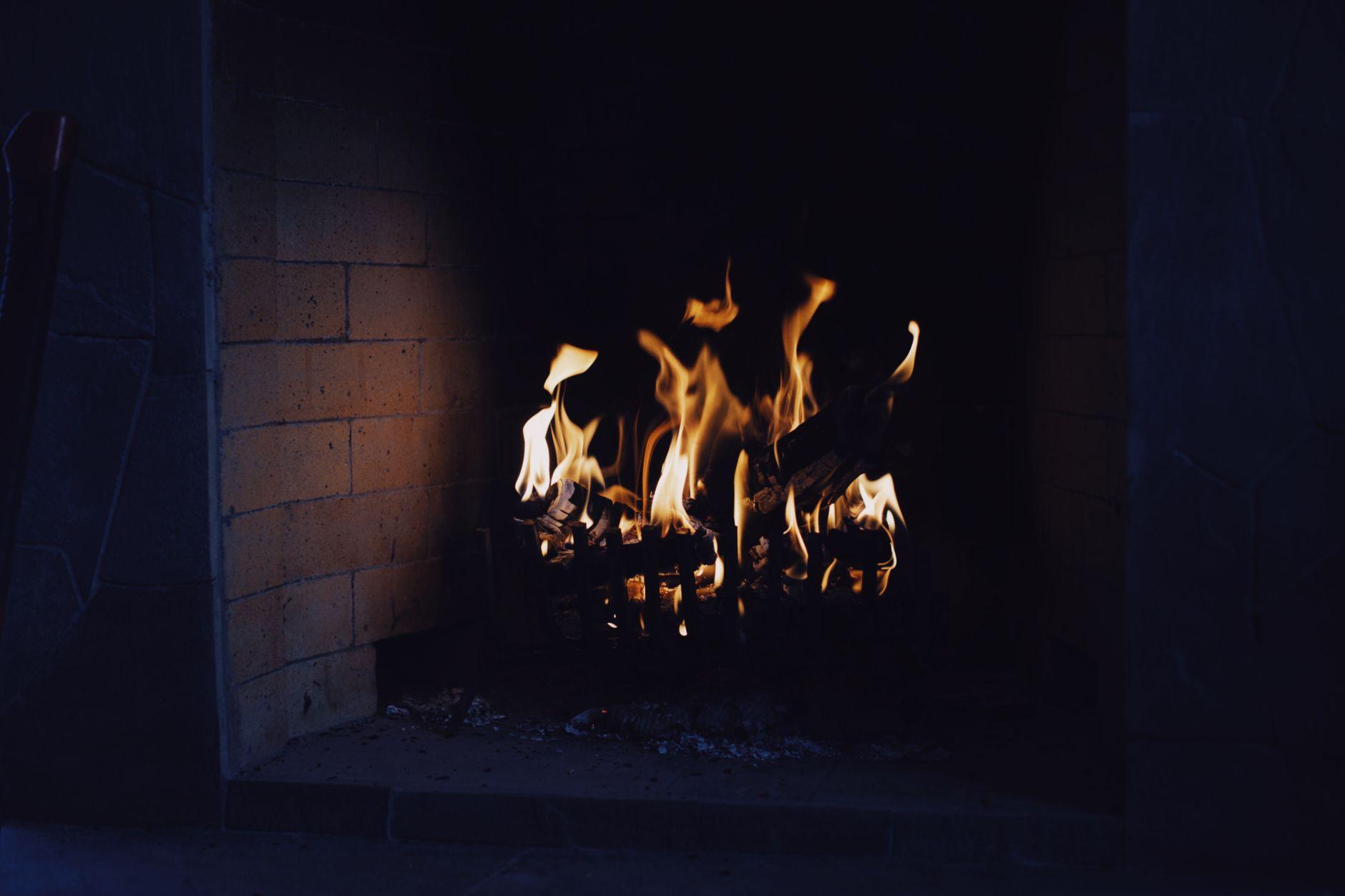
When the camera shows cracked tiles inside an older chimney in Brea, owners are usually offered one of three things: a stainless steel liner, a liner cast in place, or a rebuild of the flue. All three end with a flue that carries smoke safely. They differ in what they cost, what they disturb and what they assume about the brick around them.
What failed in the first place
Clay tile liners were standard from the 1920s well into the 1970s. Left alone they last a long time. They crack in a chimney fire, when one hot section expands faster than the next; in quakes, which knock sections out of line; and through water, which gets behind them past a cracked crown and carries joint mortar away a little more every winter. Older tiles were also set with joints that have since washed out, leaving gaps the camera picks up as dark bands.
Once a tile has cracked, smoke and heat can reach the brick and any wood beside it. That is why a broken liner over a fireplace still in use is something to fix before the next fire.
Route one: a stainless steel liner
A flexible or rigid stainless pipe runs inside the old tile and connects at the bottom. On wood fireplaces it is often wrapped in insulation; on gas appliances it is sized to the appliance. It is the most common fix for older chimneys because it leaves the brick alone.
- Good fit: sound brick, a flue wide enough to take the pipe, and an appliance such as an insert or stove.
- Poorer fit: a large open fireplace with an oddly shaped old flue, where a round pipe would choke the draft.
Route two: a cast-in-place liner
A form goes into the flue and a refractory mix is cast around it, building a new continuous lining against the old tile. This suits odd-shaped flues and chimneys with small voids, because the new lining bonds across them. It is more work than a stainless pipe and needs the right flue conditions.
Route three: a new flue
When the brick itself is failing, tile and brick above the roofline come down together and go back up with new tile. Sometimes that work stops at the roofline; sometimes it goes further. It is the largest job and the only one that also fixes the masonry. If the stack is loose, a liner inside crumbling brick solves the wrong problem.
Side by side
| Question | Stainless liner | Cast liner | New flue |
|---|---|---|---|
| Touches the outside brick | No | No | Yes |
| Suits odd-shaped old flues | Sometimes | Yes | Yes |
| Fixes failing masonry | No | Partly | Yes |
| Usual reason to pick it | Insert, stove or gas appliance | Big open fireplace in sound brick | Brick above the roof has failed |
What decides the price
None of the three has a published price on this site, because each chimney sets its own. The figure follows how tall the flue is, its shape and size, whether the appliance at the bottom is changing, how the roof can be worked, and in a rebuild how far down firm brick begins. What does carry a set price is the visit that tells you which route applies: the Level 2 camera inspection at $385. If the plan also turns the fireplace over to gas, a sealed heater set into the existing opening is $2,750 to $5,500 installed.
To learn which route fits your chimney, ask for a liner assessment and say what the fireplace burns now and what you would like it to burn. If a camera report from another company already exists, mention it; we will tell you whether it answers the question.
Our usual advice on older houses
For most older chimneys around Brea with sound brick, a stainless liner is the plainest fix and leaves the original masonry untouched. For a large open fireplace the owner wants to keep burning wood in, a cast liner often keeps the draft better. A new flue comes only when the brick tells us to. We write the reasons on the estimate so you can compare our choice with any other quote.
Anaheim, Buena Park and La Mirada
The same three routes come up across Anaheim, Buena Park and La Mirada, where many post-war houses share one stack between a fireplace and a furnace or water heater. A shared stack can need two different fixes, one per flue, and the estimate treats them separately. A furnace flue that was never lined, for instance, may only need a small stainless pipe, while the fireplace flue next to it in the same brick needs a cast lining.
Questions owners ask
Will a liner make my fireplace smaller? The opening stays the same. The flue gets a little narrower, which is why sizing matters.
Is a liner needed for a gas log set? Gas logs vent through the existing flue; if the tile is cracked, the same question applies.
Does relining help in a sale? A documented new liner answers the most common Level 2 finding on an older chimney. See up-to-code repairs and our liner installation page.
If a camera has already found cracked tiles in your chimney, pass the details on through our contact page and we will set a visit to measure the flue.
An Older Chimney of Your Own?
Gilchrist looks after chimneys and fireplaces on older houses, with a written price for every repair and the original masonry kept where it is safe. Visits run from Brea to La Mirada, Buena Park, Anaheim and the cities nearby.