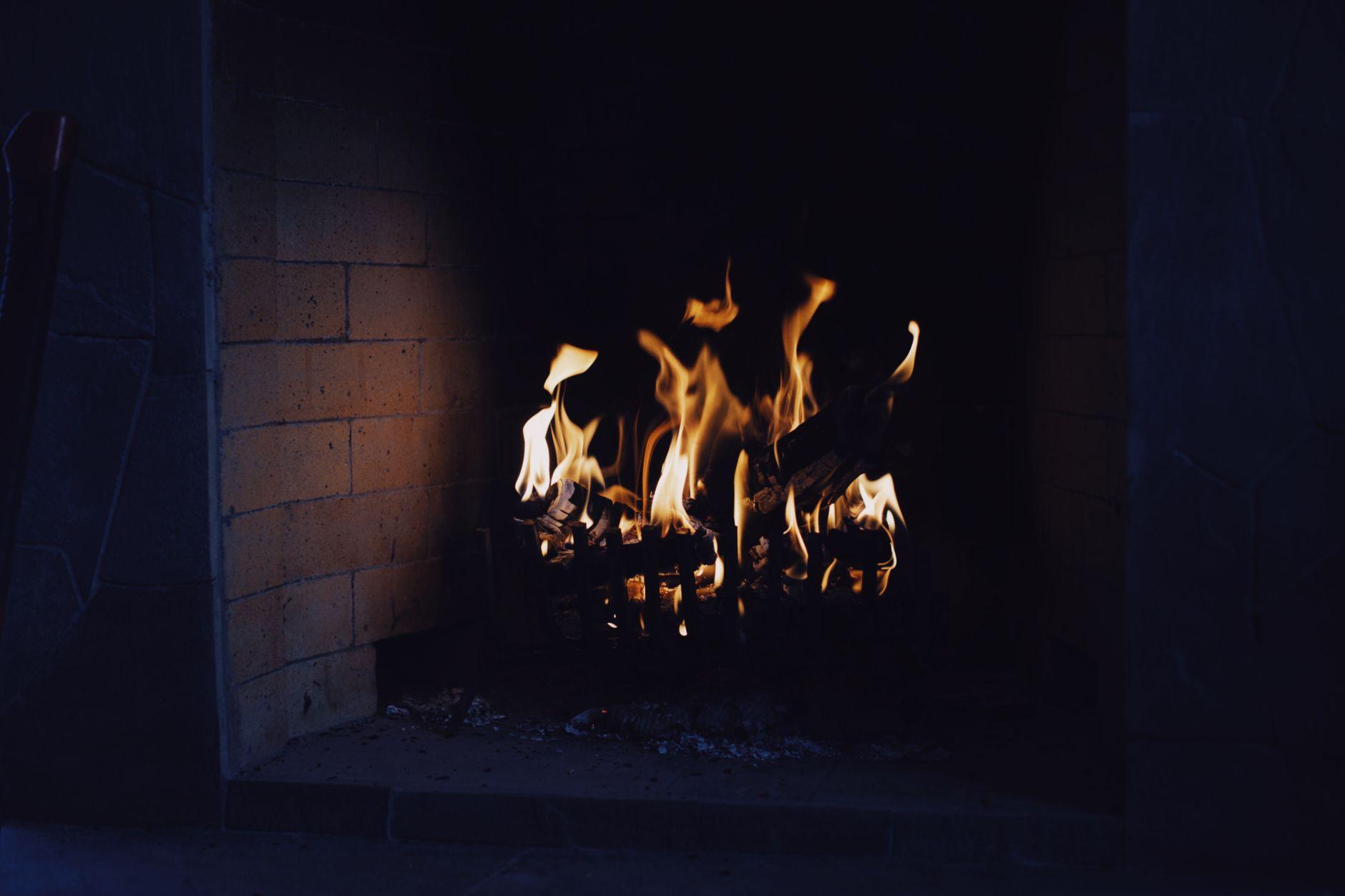
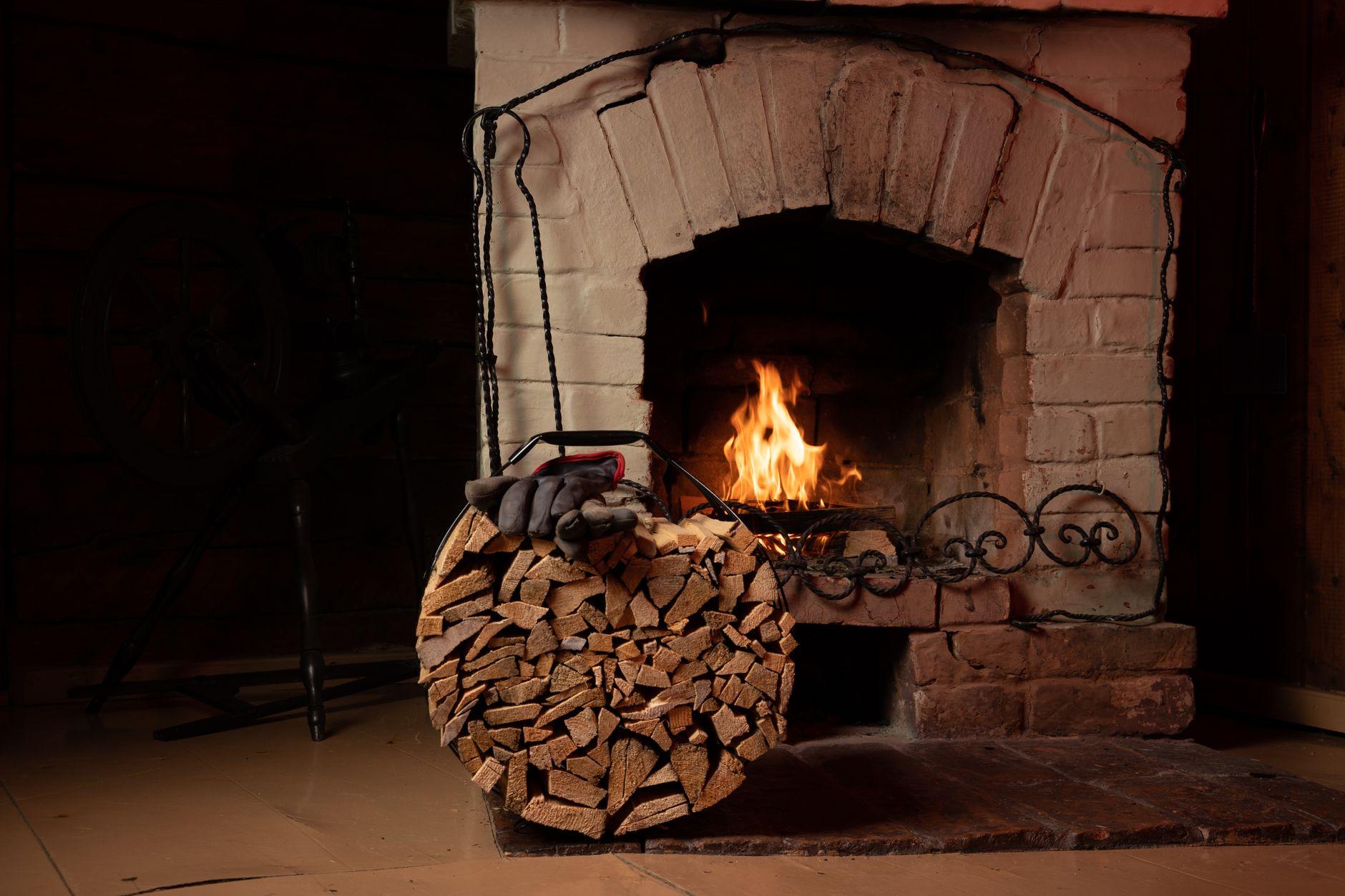
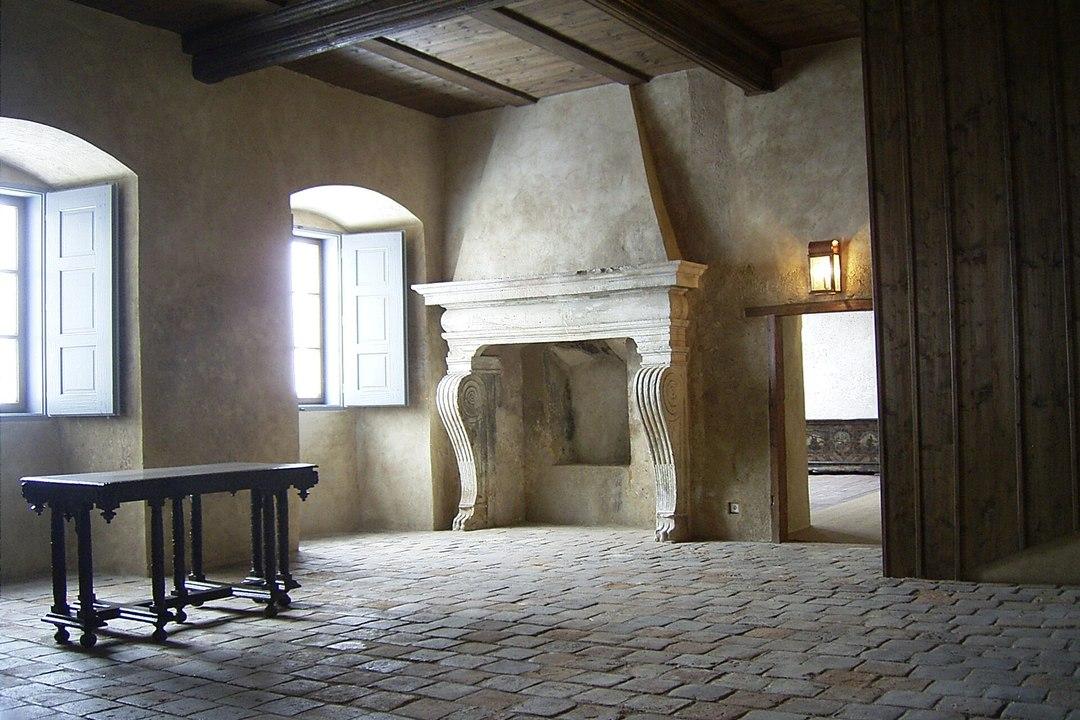
An old fireplace is mostly a box of fired brick held together by mortar that has been heated and cooled over every winter the house has seen. In a Brea bungalow or a 1950s ranch house, that firebox may have been laid by someone who knew exactly what they were doing and repaired since by someone who did not. Choosing who works on it next matters more than the size of the job suggests.
What older fireplaces were built for
Fireplaces before the 1960s were made for open wood fires, with a cast iron damper at the throat and firebrick set in thin fire clay joints. Many have since had gas logs set in them, glass doors bolted to the face, or a hearth tiled over. Each change asks something of the firebox it was not designed for. Doors fitted tight to a crooked opening crack the facing. A hearth tiled over at a new height can leave a gap at the front where embers fall through.
A repair crew needs to see those layers before it picks up a trowel.
What to look for in whoever you hire
- They name the material before the method. A sound answer to "how will you fix my firebox" starts with what it is made of: firebrick in fire clay, common brick, a cast refractory, or factory panels inside a metal unit. Each takes a different repair.
- They use refractory mortar where the fire sits. Ordinary masonry mortar does not belong in a firebox. A back wall patched with whatever is in the truck fails fast.
- They keep what can be kept. Original tile surrounds, glazed brick and old hearth tile are often impossible to buy now. Someone used to older houses cuts out the damaged piece and protects the rest, rather than pricing a full tear-out to save time.
- They look past the opening. The smoke chamber and the damper fail on old fireplaces as often as the firebox walls. A firebox repair that ignores them is half a job.
- They write it down. Each repair priced separately, with a note of what it leaves alone.
- They tell you when to stop spending. If the flue above is unlined or broken, rebuilding the firebox first makes little sense.
The repairs we see most on older hearths
- Open or eroded joints in the back wall, repointed with refractory mortar.
- Cracked or spalled firebrick, replaced one brick at a time.
- A back wall bowed forward by years of heat, taken down and relaid.
- A rusted throat damper that will not close, freed, replaced, or swapped for a sealing damper at the top of the chimney.
- A cracked hearth extension, where embers could reach the subfloor, repaired or replaced.
- Gaps between the firebox and the facing brick, closed so heat cannot reach the framing.
What the written estimate shows
Our fireplace estimates list every repair as its own line, in the order we would do them. Each line says what we will touch, the material we will use, and what stays as it is. If a tile in the original surround is cracked but holding, the estimate says we are leaving it. If a repair depends on something we cannot see until the old brick is out, the line says that too, so a change during the work never arrives as a surprise.
How the price is set
Fireplace repair has no single published price on this site, because the job depends on what the visit finds. The figure turns on how much of the firebox has failed, whether the damper can be saved, whether the hearth has to be lifted, and how carefully original finishes need protecting while the work goes on. Where the fireplace also needs an inspection, the Level 1 is $160 and the Level 2 is $385. A sweep before the repair runs from $415.
To learn where your own hearth lands, ask for a fireplace repair visit and tell us what the fireplace burns and what made you stop using it. We carry refractory mortar and firebrick on that visit so small repairs can be priced with you standing there.
When the answer is a conversion
Some owners would rather not burn wood in an old firebox at all. A sealed gas heater fitted inside the existing opening, venting through its own liner, runs $2,750 to $5,500 on our price list. It turns the fireplace into a heater and keeps the old firebox out of the fire. It still needs a sound chimney around it. Our fireplace inserts page explains what that work involves.
Around Brea
Older fireplaces turn up in the pre-war streets of Brea and Anaheim and through the post-war tracts of Buena Park and La Mirada. Some post-war fireboxes were built quickly with common brick where firebrick belonged. Those wear in a recognisable order, joints first and then brick faces, and cost less to fix when caught early. The fireplace repair page lists the full range of work, and a fireplace inspection is the usual first visit when nobody knows the history.
Questions owners ask
Can a firebox be repaired without disturbing the tile surround? Usually. We work from inside the opening and cover the face.
Should the firebox or the damper come first? Whichever is unsafe. A damper stuck open wastes heat; a back wall with open joints lets fire reach where it should not.
Do you match old brick? We look for salvaged or close matches; where none exists, the estimate says so before work starts.
If an older fireplace in your house has gone cold, start at our contact page and we will come and look at the firebox with you.
An Older Chimney of Your Own?
Gilchrist looks after chimneys and fireplaces on older houses, with a written price for every repair and the original masonry kept where it is safe. Visits run from Brea to La Mirada, Buena Park, Anaheim and the cities nearby.